

Australian Mining and Minerals: Resources, Critical Minerals & Industry Guide
October 3, 2026
Table of Contents
Australia is one of the world's major mineral-producing countries, with an enormous geological resource base supporting mining, processing, manufacturing and international trade. From the iron ore deposits of Western Australia to gold, lithium, copper, bauxite and rare earths, minerals are deeply connected with Australia's economy and modern industries.
The sector is also changing. Traditional commodities such as iron ore, coal and gold remain important, while critical minerals are receiving increasing attention because they are used in batteries, renewable energy technologies, electronics, advanced manufacturing and defence.
According to Geoscience Australia's Australia's Identified Mineral Resources 2025, the country held particularly strong global positions in several important minerals. In 2024, Australia ranked first globally for ilmenite resources, second for bauxite, copper and tin, third for rare earth elements and fifth for graphite. Geoscience Australia
At the same time, Australia's resources sector is becoming increasingly focused on exploration, mineral processing, supply-chain resilience, technology and responsible resource development.
This guide explores Australian mining and minerals, the country's major resources, key mining regions, critical minerals, economic importance, environmental considerations and what the future could look like.
Also Read: Aboriginal Heritage in Australia: A Living Culture, Ancient Stories and the Deep
What Makes Australian Mining and Minerals Important?
Australia has exceptionally diverse geology and large mineral deposits. Its ancient geological formations have created conditions for significant deposits of metallic and non-metallic minerals.
Mining contributes to Australia's economy through:
- Mineral production
- Export earnings
- Employment
- Regional development
- Infrastructure investment
- Engineering and technology
- Mineral processing
- International trade
- Research and innovation
Geoscience Australia's latest mineral resources assessment states that Australia's mining industry directly employed about 300,000 people in 2024 and was responsible for around 11% of Australia's GDP. Geoscience Australia
The broader resources and energy sector also generates substantial export revenue. The Australian Government's June 2026 Resources and Energy Quarterly estimated resource and energy export earnings at approximately A$405 billion in 2025–26, with a forecast of around A$416 billion in 2026–27. Australian Government Industry
These figures demonstrate why mining remains an important part of Australia's economic landscape.
Major Minerals Mined in Australia
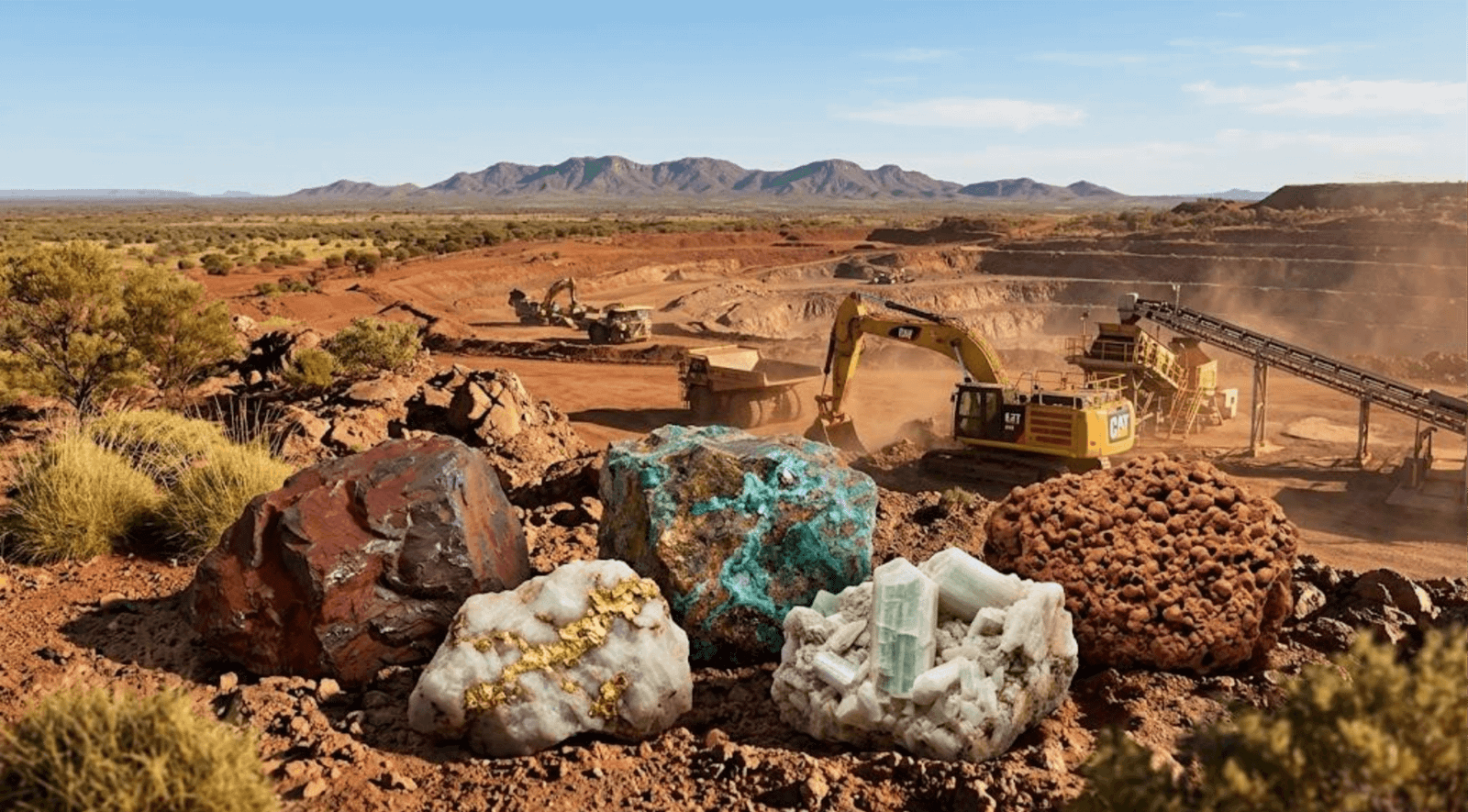
Australia produces a wide variety of minerals. Some have been central to the economy for decades, while others are becoming increasingly important because of technological and energy-transition demand.
1. Iron Ore
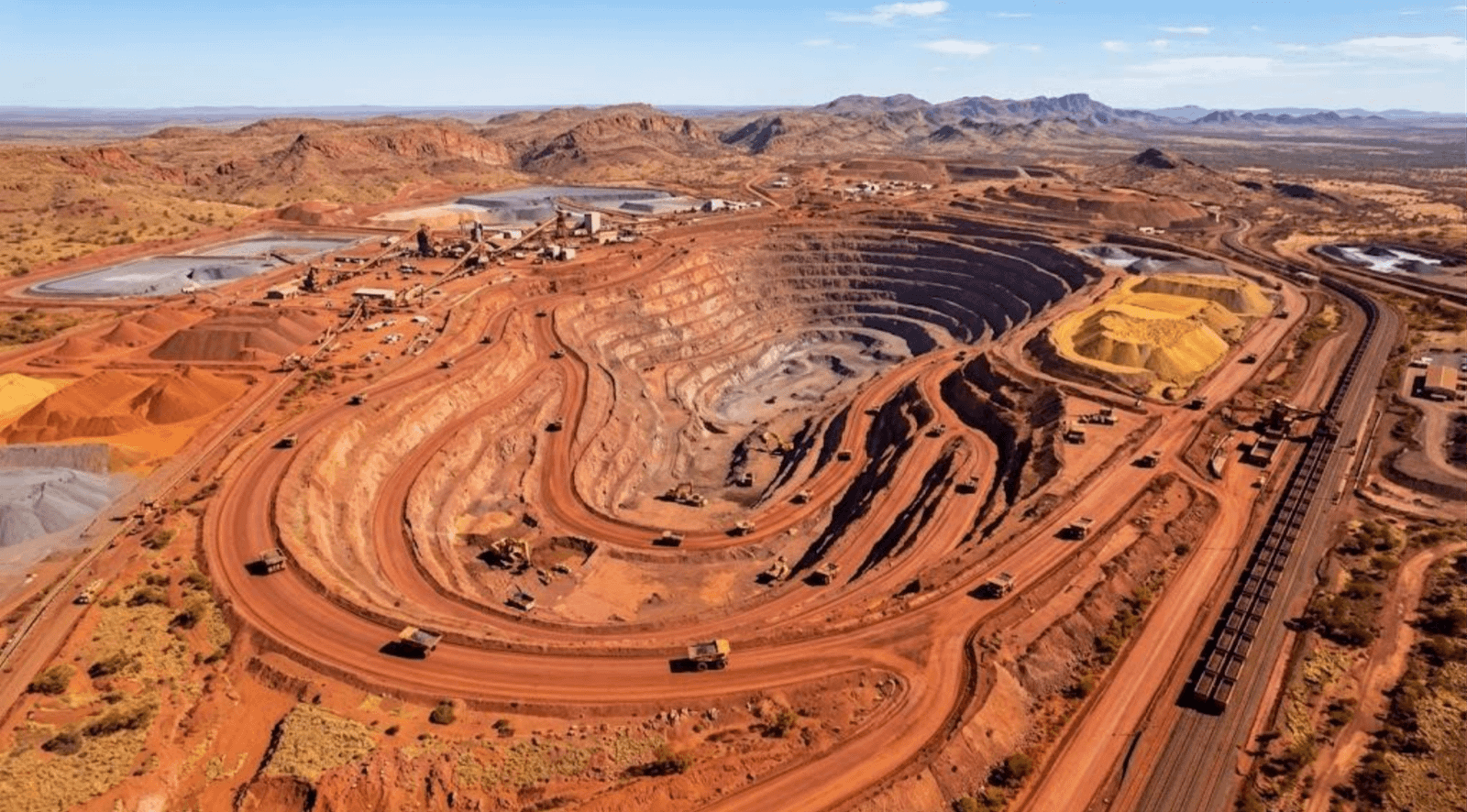
Iron ore is one of Australia's most important mineral exports.
Western Australia dominates Australia's iron ore industry, particularly the Pilbara region. The resource supports steelmaking around the world and has helped establish Australia as one of the world's major mining and export economies.
The June 2026 Resources and Energy Quarterly reported that Australian iron ore export volumes increased by 6% year-on-year in the March quarter of 2026. Iron ore was also expected to remain Australia's largest resource and energy export over the forecast period. Australian Government Industry
However, the outlook is not simply about increasing production. Global supply, steel demand, prices, infrastructure and competition from other producing countries can all influence Australia's iron ore industry.
2. Gold Mining in Australia
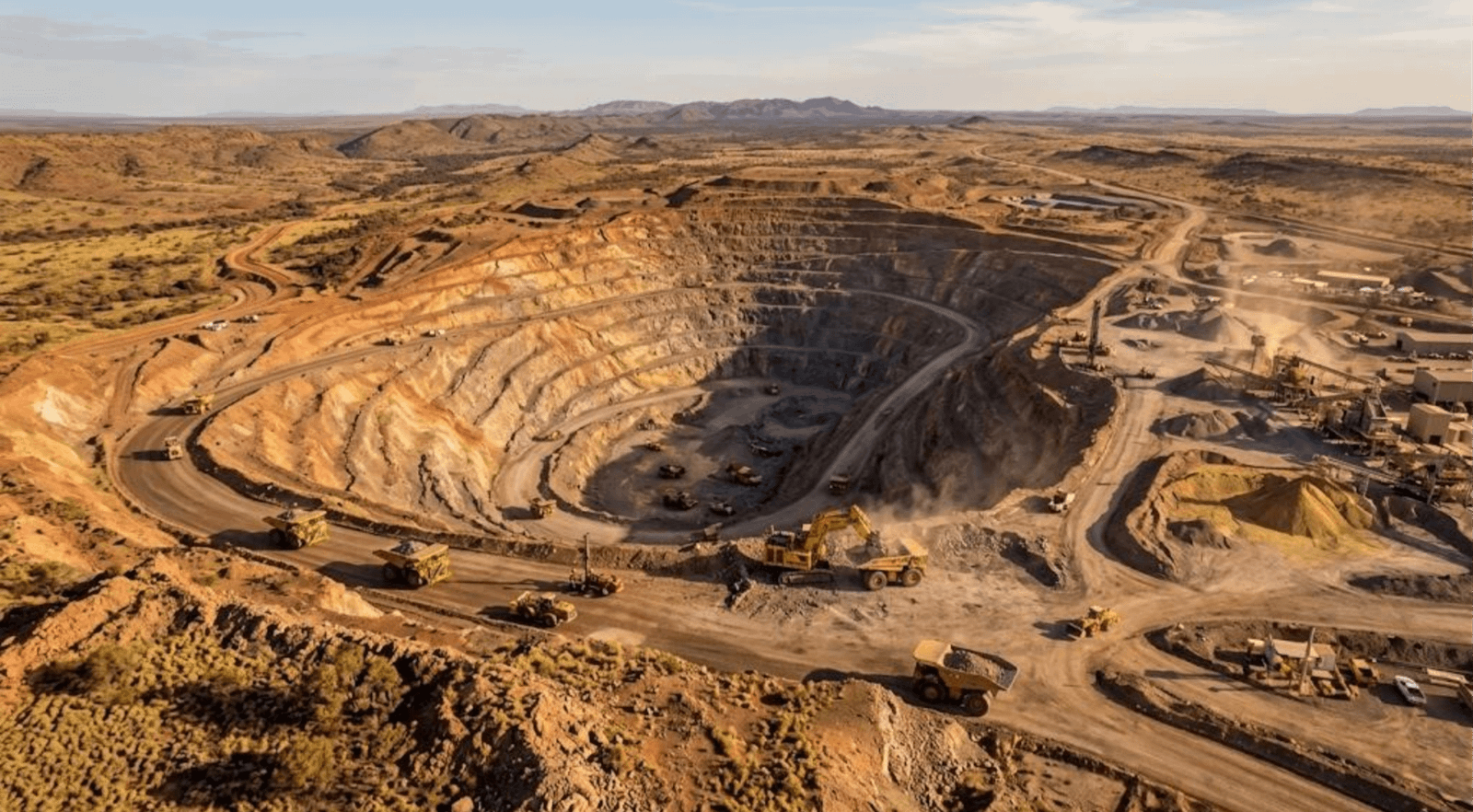
Gold has a long history in Australia, dating back to major discoveries during the nineteenth-century gold rushes.
Today, gold remains an important part of Australia's mining sector, with major production occurring across Western Australia, New South Wales, Queensland, South Australia and Victoria.
Gold is used in:
- Jewellery
- Electronics
- Investment
- Central-bank reserves
- Industrial applications
The 2026 resources outlook reported exceptionally strong gold export earnings. Australian gold exports were estimated at A$68 billion in 2025–26, with earnings forecast to reach around A$73 billion in 2026–27 under the June 2026 outlook. Australian Government Industry
Gold therefore remains an important component of Australia's mineral economy alongside newer critical-mineral opportunities.
3. Lithium and Battery Minerals
Lithium has become one of Australia's most discussed mineral resources because of its role in rechargeable batteries.
Lithium is used in technologies such as:
- Electric vehicle batteries
- Energy storage systems
- Portable electronics
- Renewable-energy storage
- Advanced battery technologies
Australia has substantial lithium resources and an established mining industry.
The Australian Government's June 2026 outlook projected Australian lithium export earnings to rise from A$9.9 billion in 2025–26 to A$12.5 billion in 2026–27 in real terms, while Australian mine output was forecast to grow by about 8% annually to 2031. Australian Government Industry
However, lithium markets can experience significant price and supply changes. Mining companies therefore need to consider not only geological resources but also processing capacity, global competition, technology and long-term demand.
4. Copper
Copper is another important Australian mineral with strong connections to modern infrastructure.
It is used in:
- Electricity networks
- Construction
- Renewable energy
- Electric vehicles
- Telecommunications
- Electronics
- Industrial equipment
Copper is particularly relevant to the expansion of electricity infrastructure and electrification.
According to the Australian Government's June 2026 resources outlook, global copper demand is expected to strengthen from 2027, supported by clean-energy technologies, data centres and broader electricity infrastructure. Australia's copper export earnings are projected to rise from A$14.6 billion in 2025–26 to A$18.3 billion in real terms by 2030–31. Australian Government Industry
5. Bauxite, Alumina and Aluminium
Australia is also a major producer of bauxite, the primary ore used to produce aluminium.
Bauxite mining supports a broader value chain that includes:
Bauxite → Alumina → Aluminium
Aluminium is widely used in:
- Transport
- Construction
- Packaging
- Aerospace
- Manufacturing
- Electrical applications
Geoscience Australia's 2025 mineral resources assessment reported that Australia's global resource ranking for bauxite moved from third to second place in 2024. Geoscience Australia
Australia's bauxite production is expected to remain above 100 million tonnes per year over the resources outlook period, according to the June 2026 Resources and Energy Quarterly. Australian Government Industry
6. Rare Earth Elements
Rare earth elements have become strategically important because they are used in advanced technologies.
Applications include:
- Permanent magnets
- Electric motors
- Electronics
- Renewable energy technologies
- Defence technologies
- Advanced manufacturing
Australia has significant rare earth resources. Geoscience Australia reported that Australia's global ranking for rare earth element resources moved from sixth to third place in 2024. Geoscience Australia
Developing Australia's rare earth industry involves more than mining. Processing and refining capacity are also important because value can be added further along the supply chain.
What Are Critical Minerals?
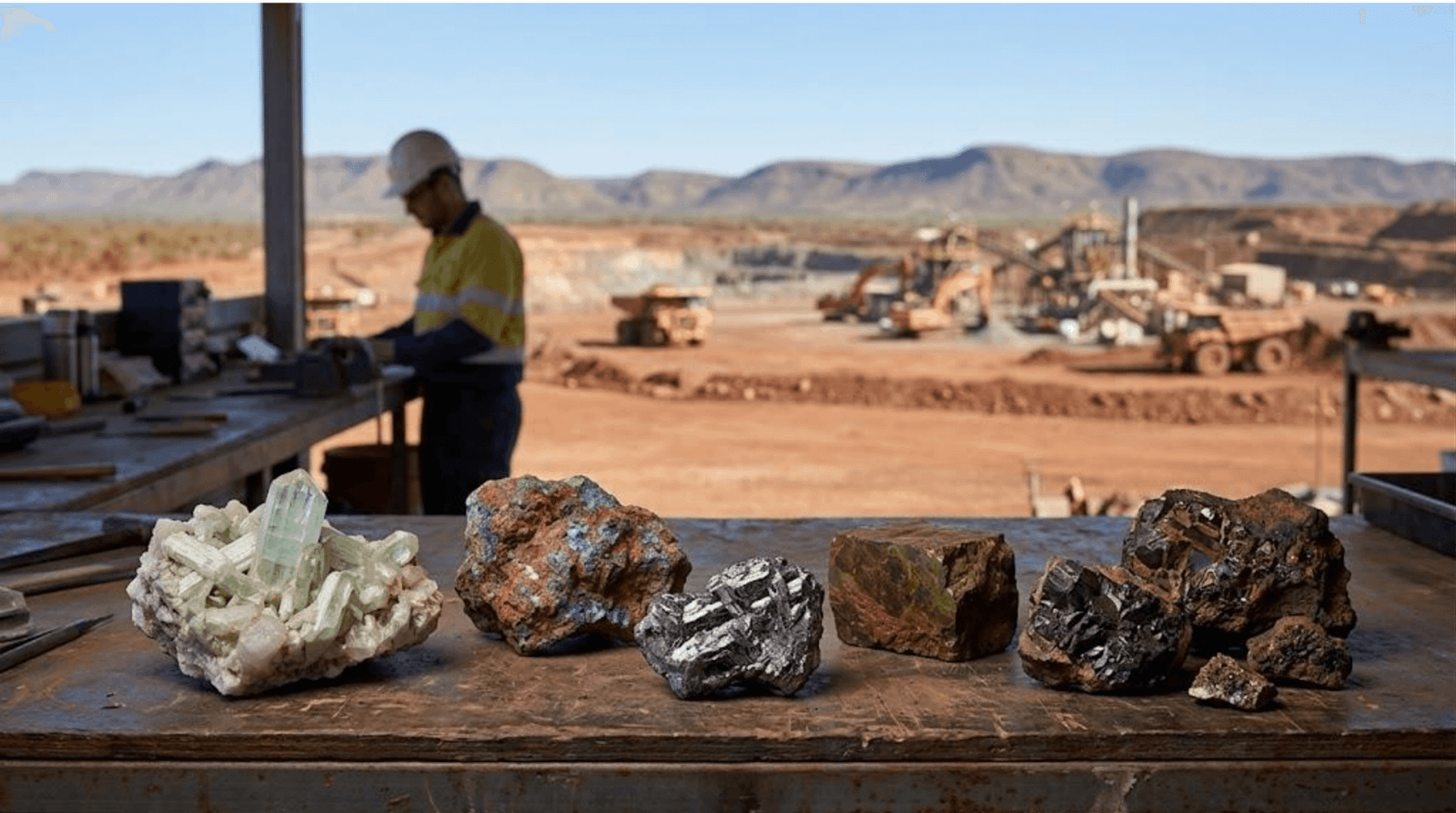
Critical minerals are minerals considered important for modern technologies, economies, national security or strategic supply chains.
They are increasingly important because many modern technologies depend on reliable access to particular minerals.
Examples associated with Australia's critical-minerals sector include:
- Lithium
- Copper
- Rare earth elements
- Graphite
- Nickel
- Manganese
- Cobalt
- Titanium-related minerals
The Australian Government describes critical minerals as important to economic resilience, national security, critical technologies and the clean-energy transition. Australian Government Industry
Australia's Critical Minerals Strategy 2023–2030 focuses on developing resilient supply chains, increasing domestic processing and creating more value from Australian resources. Australian Government Industry
Major Mining Regions in Australia
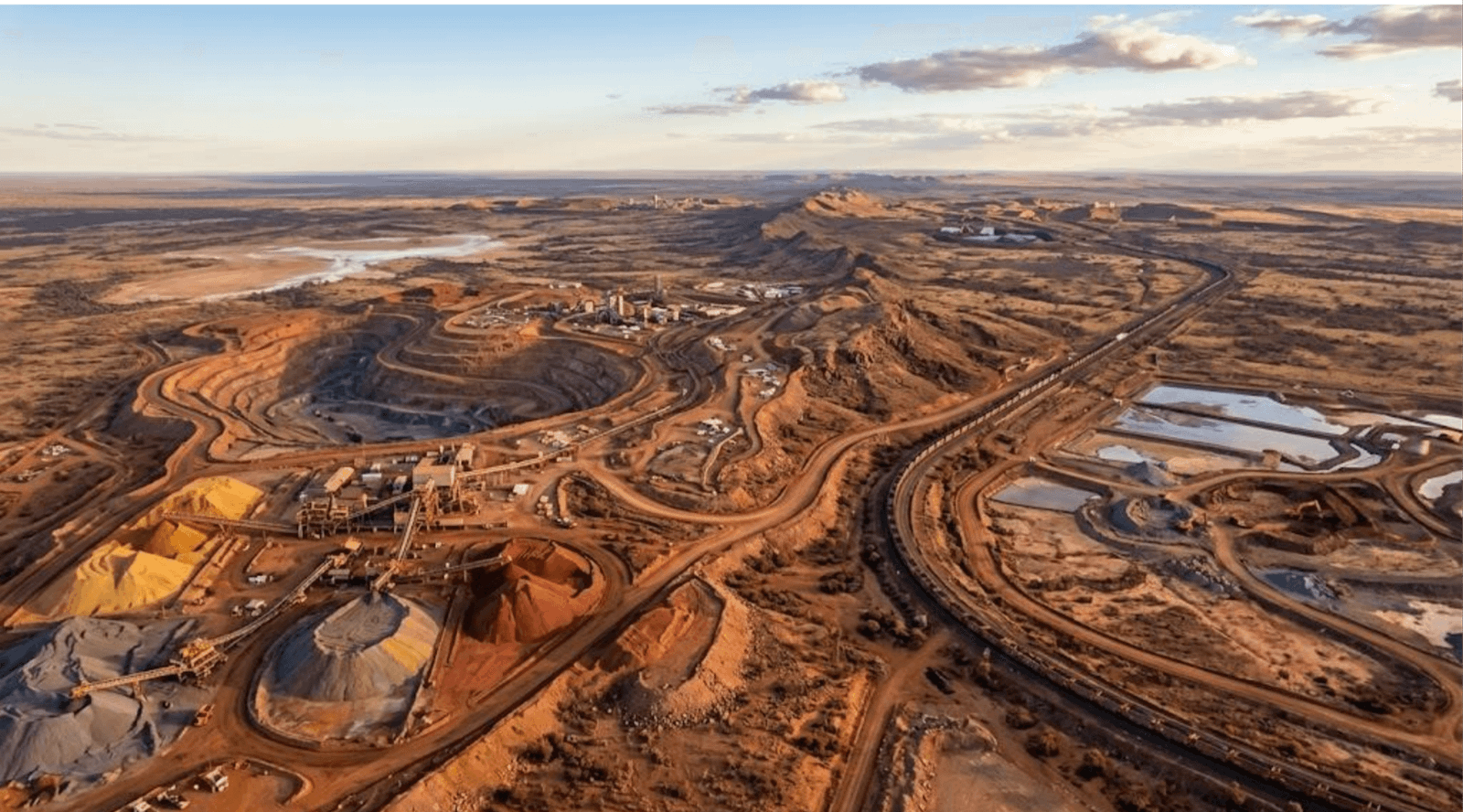
Mining occurs across several states and territories, with different regions specialising in different commodities.
Western Australia
Western Australia is Australia's largest mining state and is particularly well known for:
- Iron ore
- Gold
- Lithium
- Nickel
- Bauxite
- Rare earths
- Mineral sands
The Pilbara is internationally recognised for its large iron ore industry.
Western Australia's mineral sector is supported by extensive infrastructure, ports, rail networks, mining services and engineering expertise.
Queensland
Queensland has important deposits and mining operations involving:
- Coal
- Copper
- Gold
- Zinc
- Bauxite
- Other minerals
Mining plays a major role in many regional Queensland communities.
New South Wales
New South Wales has a long mining history and produces resources including:
- Coal
- Copper
- Gold
- Mineral sands
- Other metals
The state's mining industry includes both large operations and regional mining communities.
South Australia
South Australia is particularly significant for copper and other mineral exploration.
The state also has opportunities involving critical minerals and emerging resource projects.
Northern Territory
The Northern Territory has resources including:
- Gold
- Zinc
- Bauxite
- Manganese
- Uranium
Mining and mineral exploration are important contributors to economic activity across the territory.
Victoria and Tasmania
Victoria and Tasmania also contribute to Australia's diverse mineral sector, with resources and mining-related industries varying between regions.
Australia's Mining Exports
Australia's mining industry is strongly connected to international markets.
Iron ore, gold, coal, lithium and other minerals are exported to customers around the world.
The June 2026 Resources and Energy Quarterly projected total Australian resources and energy exports at A$416 billion in 2026–27. Australian Government Industry
Iron ore remains a major component of these exports, while gold and critical minerals are also important.
Export markets can change because of:
- Commodity prices
- Global economic growth
- Manufacturing demand
- Trade policies
- Geopolitical developments
- New mining supply
- Processing capacity
- Technology changes
This makes diversification and resilient supply chains increasingly relevant to Australia's resources sector.
Australia and the Global Critical Minerals Supply Chain
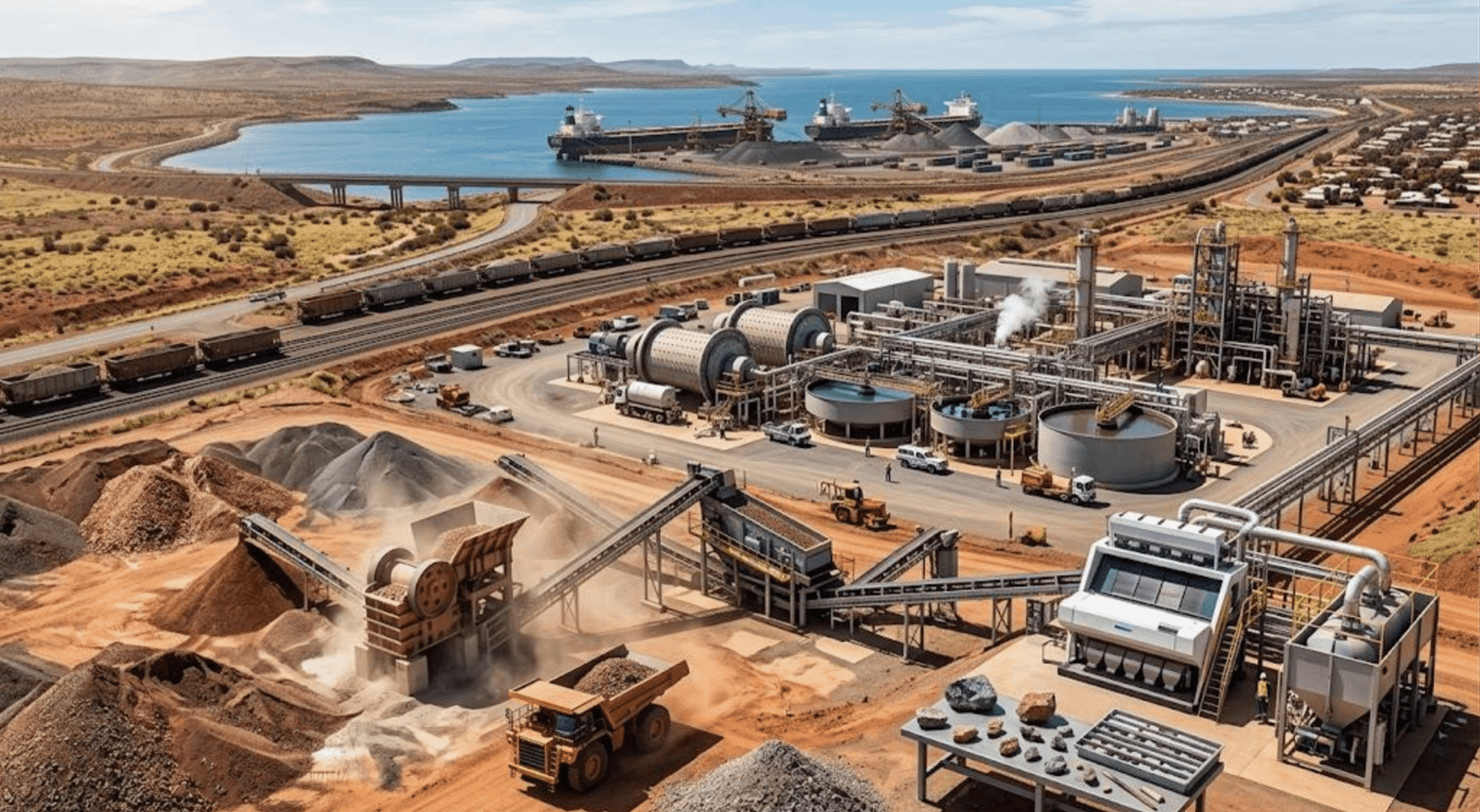
One of the biggest developments in Australian mining is the growing focus on moving beyond extraction.
Traditionally, mining has often been associated with:
Explore → Mine → Process → Export
The future may involve more domestic processing and value-added activities.
For example:
Mineral extraction → Concentration → Refining → Processing → Manufacturing → Recycling
The Australian Government has identified domestic processing as an important part of developing the country's critical-minerals sector. Australian Government Industry
In January 2026, the government also announced a A$1.2 billion Critical Minerals Strategic Reserve intended to strengthen supply security. Australian Government Industry
Technology and the Future of Australian Mining
Modern mining increasingly uses technology to improve productivity, safety and resource management.
Technologies being used or developed across the industry include:
- Autonomous mining vehicles
- Remote operations
- Artificial intelligence
- Data analytics
- Robotics
- Drone surveying
- Satellite monitoring
- Digital twins
- Automated drilling
- Advanced geological modelling
Technology can help mining companies understand deposits, monitor equipment and manage large-scale operations.
It can also support safer working environments by allowing some tasks to be performed remotely or through automated systems.
Sustainable Mining in Australia
Mining has environmental impacts, so responsible resource development requires careful planning and regulation.
Important areas include:
- Land rehabilitation
- Water management
- Biodiversity protection
- Waste management
- Mine closure planning
- Energy efficiency
- Emissions reduction
- Community consultation
- Cultural heritage protection
Australia's mineral resources sector increasingly faces the challenge of balancing economic opportunities with environmental and social responsibilities.
Geoscience Australia's mineral resources assessment highlights the importance of responsible resource development and notes the role of environmental, social and governance frameworks in Australia's resources sector. Geoscience Australia
Mining and Indigenous Heritage
Mining projects can operate in areas with deep cultural and historical significance for Aboriginal and Torres Strait Islander peoples.
This makes cultural heritage an important consideration during exploration, project development and mine operations.
Responsible mining therefore involves processes related to:
- Cultural heritage
- Traditional knowledge
- Land management
- Community engagement
- Indigenous participation
- Environmental stewardship
These issues are particularly important when new projects are proposed in culturally significant landscapes.
Challenges Facing Australian Mining
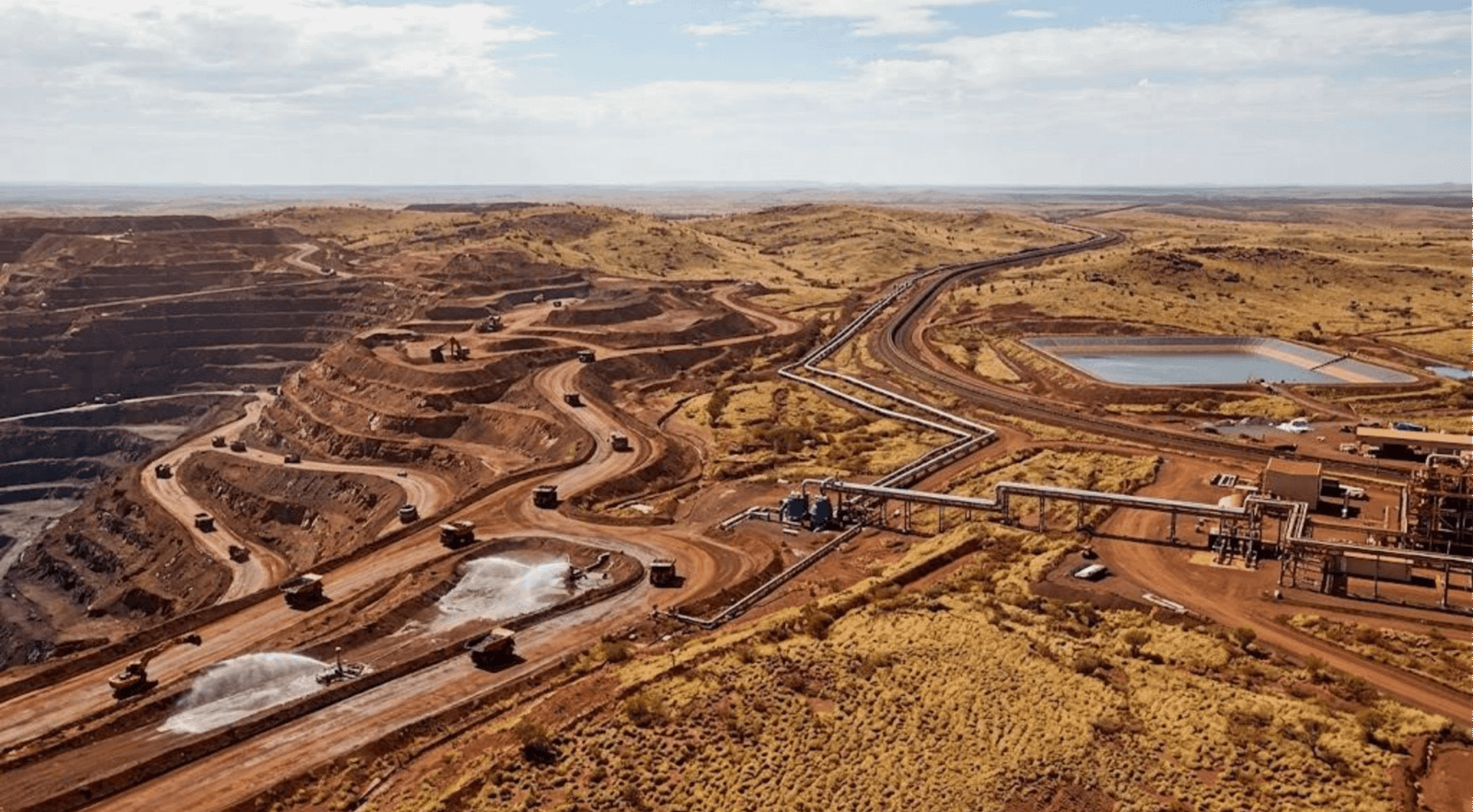
Despite Australia's strong resource base, the mining industry faces several challenges.
Commodity Price Volatility
Mineral prices can rise and fall rapidly because of changes in global supply and demand.
Infrastructure
Large mines can be located far from ports, cities and processing facilities, requiring major transport and energy infrastructure.
Environmental Responsibilities
Companies must manage land, water, biodiversity and rehabilitation throughout the mining lifecycle.
Skills and Labour
Modern mining requires engineers, geologists, technicians, data specialists, environmental professionals and skilled operators.
Processing Capacity
Mining a mineral is only one part of the supply chain. Increasing domestic processing can require significant investment and technical capability.
Global Competition
Other mineral-producing countries are developing their own mines, processing industries and export networks.
The Future of Australian Mining and Minerals
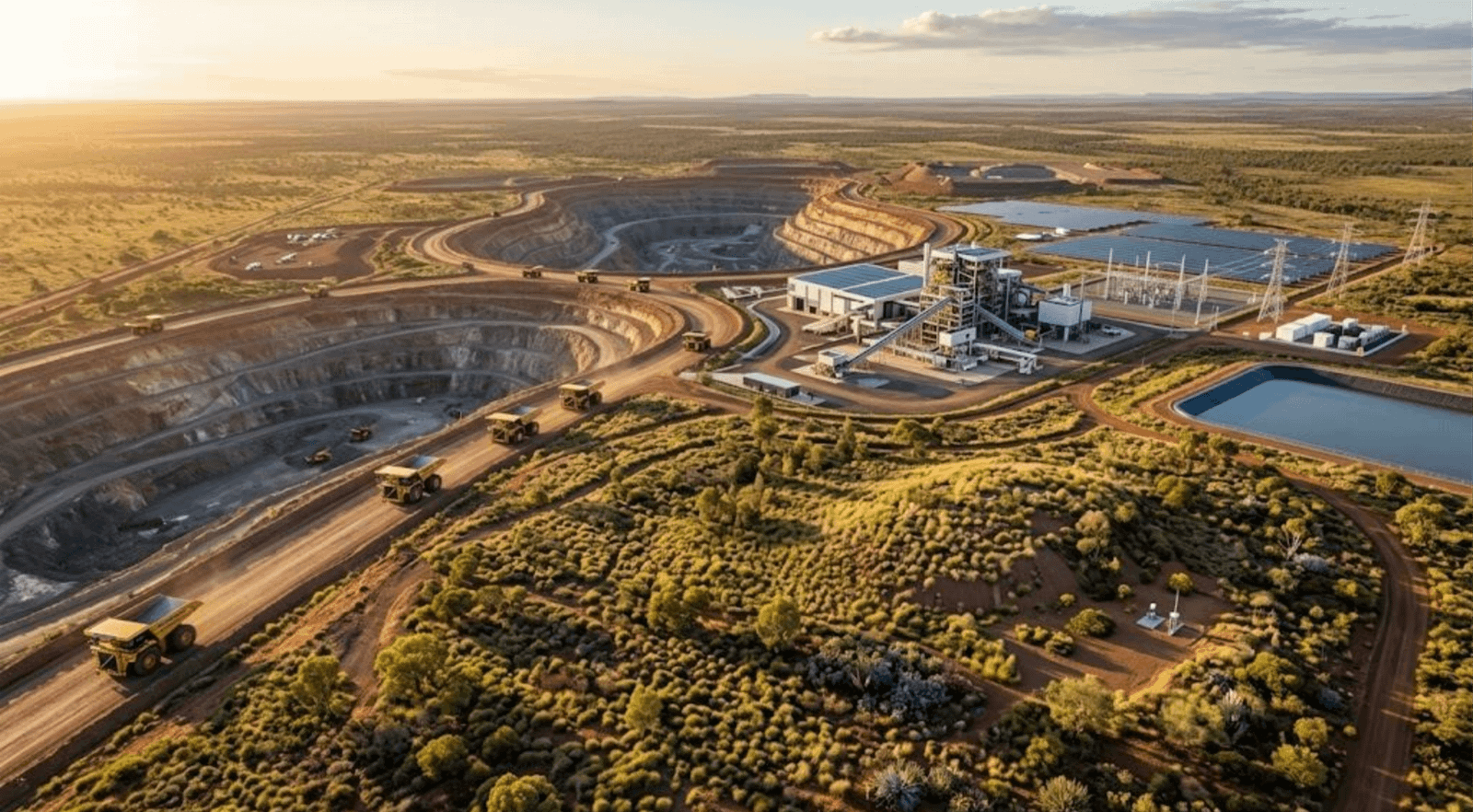
The future of Australian mining is likely to involve both established commodities and emerging mineral opportunities.
Iron ore and gold will remain important parts of the industry, while lithium, copper, rare earths and other critical minerals are attracting increasing attention.
The Australian Government's current outlook forecasts Australia's critical-mineral export earnings to increase from about A$17 billion in 2025–26 to around A$19 billion in real terms by 2030–31, with lithium accounting for more than half of critical-mineral earnings. Australian Government Industry
At the same time, the long-term direction of individual commodities will depend on technology, prices, global demand, new discoveries, recycling, substitution and supply-chain developments.
Geoscience Australia's Resourcing Australia’s Prosperity initiative is a 35-year program designed to improve knowledge of Australia's mineral and energy resources and help identify future resource opportunities. Geoscience Australia
Conclusion
Australian mining and minerals are closely connected to the country's economy, regional communities, international trade and technological future.
Australia's mineral wealth includes established commodities such as iron ore, gold, bauxite and copper, alongside strategically important resources such as lithium, rare earths and other critical minerals.
The next stage of the industry is not only about extracting more resources. It is also about exploration, processing, technology, infrastructure, environmental management, cultural heritage and creating greater value within Australia.
With strong geological resources and an established mining-services industry, Australia remains an important participant in global mineral supply chains. The growing focus on critical minerals could further expand the role of Australian resources in batteries, electricity infrastructure, advanced manufacturing and other technologies.
For readers interested in Australia's economy, environment, technology and regional development, Australian Mining and Minerals is an important topic that connects many parts of the country's story.
Frequently Asked Questions
Everything else you need to know about traversing the Outback.
What is Australia best known for mining?
Where is most Australian mining located?
Why are critical minerals important to Australia?
Is lithium important to Australian mining?
What is the future of Australian mining?
You Might Also Like

Renting Guides for Australia: A Complete Guide for Tenants
Finding a suitable rental home can be challenging, especially if you are renting for the first time, moving to a new city or arriving in Australia fro...

Agriculture and Dairy Farming in Australia: A Complete Guide to Farms, Milk Production and Sustainable Agriculture
Australia’s agricultural industry plays an important role in food production, regional employment, and international trade. From extensive cattle stat...

National Parks and Reserves in Australia: 12 Incredible Places to Explore Nature and Wildlife
Australia is home to extraordinary natural landscapes, from tropical rainforests and rugged mountains to red deserts, dramatic coastlines, wetlands, a...